1. Make the area safe
Before any work, the area is marked off so no one steps into it by mistake.
Spanaway, WA · Pierce County
Found a needle or syringe in Spanaway? Stay back, keep children and pets away, and call (877) 812-4220. A cleanup team can search the area, collect every sharp and dispose of it safely.
If anyone is in danger, call 911 first. For a suicide crisis, call or text 988.
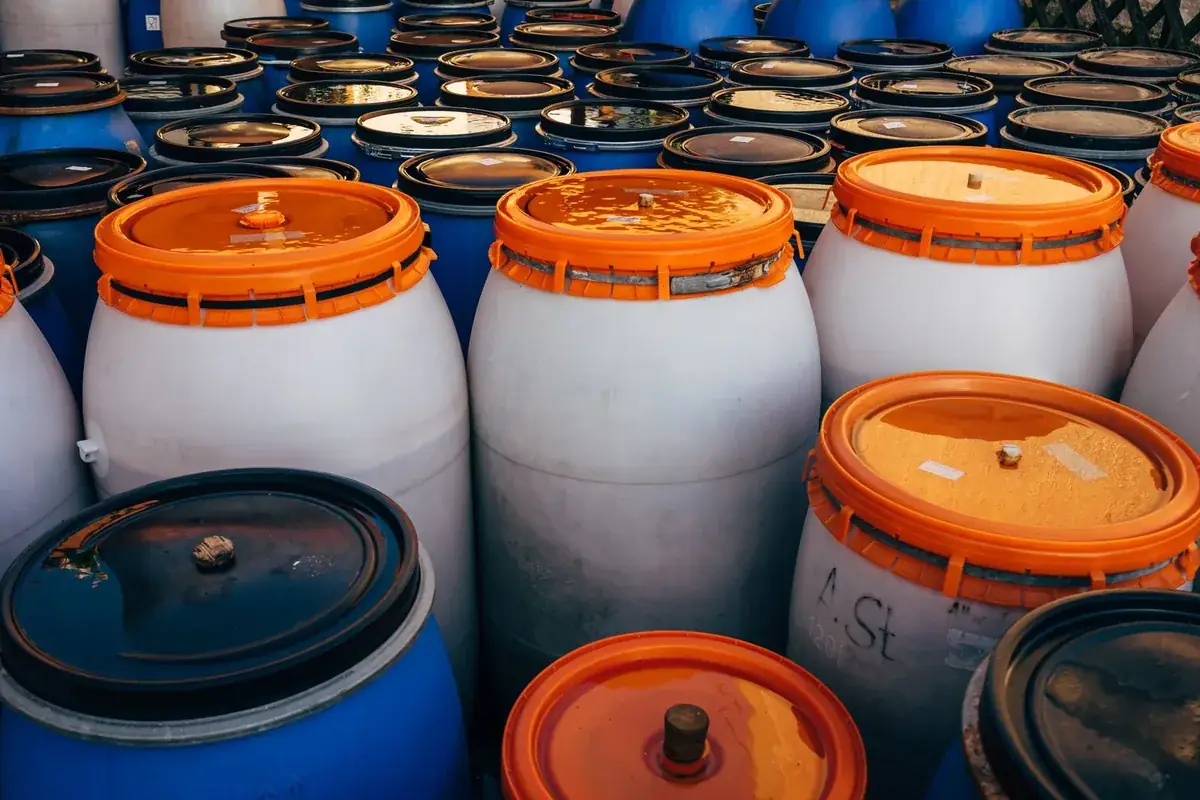
Found needle cleanup is a short phrase for an important job. A crew stays alert for hidden sharps, picks them up with long tools, places them in secure containers and clears the area for use again.
If you own property in Pierce County, call Spanaway Biohazard Cleanup Help for needle pickup before sales, repairs or new tenants. The crew checks the whole property in Spanaway and removes sharps with the right tools and containers.
Most homes in Spanaway are owner occupied, with renters at about 26% of households, so many needle calls come from families clearing a home or yard. If anyone is stuck by a needle, the nearest emergency room is St Clare Hospital in Lakewood, about 6 miles from Spanaway. Call 911 in an emergency.
A typical needle & sharps cleanup job includes:
Before any work, the area is marked off so no one steps into it by mistake.
Cleanup technicians wear puncture-resistant gloves, eye protection and boots for the sweep.
Sharps are locked in secure containers marked for medical waste.
Hard surfaces are cleaned with EPA-registered products. Soaked fabrics may be removed and bagged.
The cost of needle & sharps cleanup in Spanaway, WA depends on the amount of material, how it is packed and how it is hauled.
Disposal as regulated medical waste is part of the work, and treatment facilities charge by container or weight.
| Type of job | Typical range |
|---|
These ranges come from published cost guides () and are not a quote for Spanaway. Price drivers include number of items, where they are found, whether a sweep of a large area is needed, waste disposal. For a real number, call (877) 812-4220.
Loose needles should not go in household trash, because they can stab sanitation workers. Rules for small amounts of household sharps vary by city and county. The local health department can say what is allowed, and a cleanup team can take larger amounts.
Safer options exist. Many cities and health departments have programs for found needles and may give instructions or send someone. If you are unsure, do not touch it. Leaving a needle in place and keeping others away is safer than risking a stick.
Yes. Dogs and cats may sniff, chew or step on sharps. Keep pets away from the area until a cleanup team has searched it. If a pet is stuck or swallowed something, call a veterinarian right away.
Sometimes. Some homeowners and renters policies cover cleanup after a covered event, and many do not cover needles on their own. Call your insurance company before work starts, take photos from a safe spot, and keep every receipt. Check your policy rather than assuming.
No. This page explains how needle and sharps cleanup works. It is not medical, legal or insurance advice. For exposure or symptoms, contact a doctor or Poison Control, and for local programs ask the health department.
A used needle can carry bloodborne pathogens such as hepatitis B, hepatitis C and HIV. The chance of infection from one stick depends on many things, and a doctor can explain what applies. Get medical care promptly after any stick or cut.
Stay back, keep others away and let a cleanup team handle the sharps.
Call (877) 812-4220